Metropolitan Cafe
1998
I’m the only waiter who waits on her because I’m the only waiter who can handle her. A walking nerve ending, she comes in once a week, usually around 5:30.
She seats herself. She has a job she’s good at (school teacher), an apartment she takes meticulous care of (she does her own plumbing), and she pays all of her bills on time: she doesn’t need a hostess telling her where to sit, thank you. She prefers one of the round four-tops in the center of the dining room. She comes directly from work, heavy laden with bags and totes that hang on her like Jacob Marley’s chains. She not-so-discreetly scans the dining room as she places each bag on its own chair, silently daring anyone in the room to snatch one. Bags in place, she sits. It looks as if she’s hosting a tea party for purses.
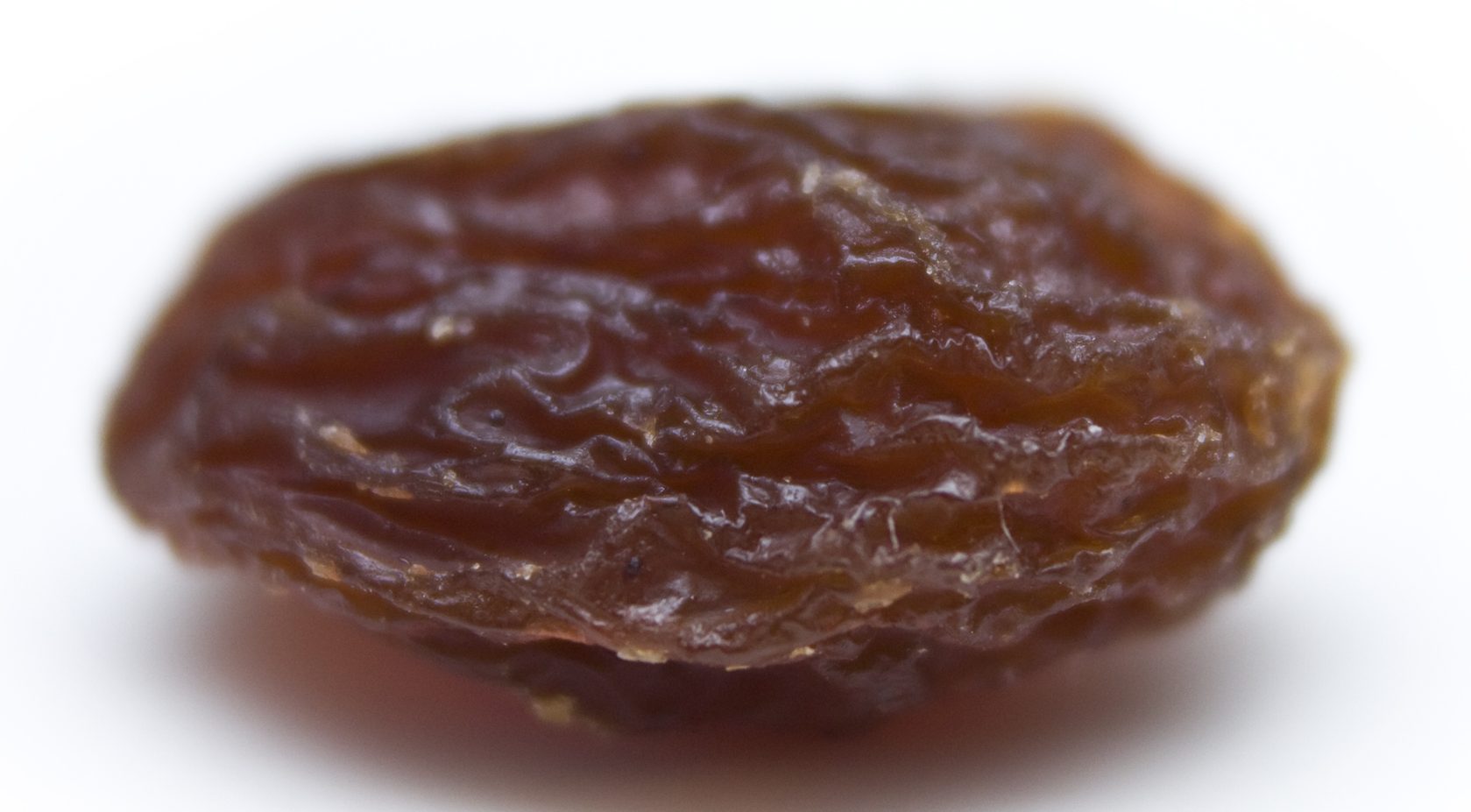
First thing I do is bring her a basket of dark brown raisin rolls. The sight of the heaping bread basket calms her. It’s the first food she’s seen all day. She faces the room, crosses her legs, and begins to methodically pluck out the raisins, one-by-one, chewing them like they was bubble gum. I believe she is unaware that she chews with her mouth open.
Timing is critical. The minute she stops dismembering her raisin rolls – her efforts leave an unappealing debris field of discarded bread flesh strewn across her table – she’s ready to order. It’s always the same: a modified Grecian Salad. I have her modifications memorized, but she has to repeat them every single time due to trust issues.
“Shall I take your order, Agnes?”
“The rolls don’t have enough raisins. Last week they had thirty. I counted. This week there’s only fifteen.”
“Try another roll.”
“I did. It only had thirteen. You should say something to the chef.”
Let it be. Let it be, I say unto myself, No use telling her we import the rolls and the chef has no control over how many raisins are in each one.
“I’ll inform the chef,” I say.
“I’ll take the Grecian Salad,” she says like it was the first time she’s ever ordered it, “with fried wantons from the Asian Salad. Extra red peppers. They don’t come out of a jar, do they? Peppers in jars are a breeding ground for germs.”
“The peppers do not come out of a–”
“Are you sure?”
“Have I ever lied to you?”
“Yes.”
“The peppers are freshly roasted.”
“Good. Make sure the chicken is cooked, but not over-cooked, I don’t want it chewy. Dressing on the side. Shake it well. Throw on a ton of pumpkin seeds. They prevent cancer. Give me extra olives and feta, but on the side. Chop, do not slice the romaine. I like big chunks. Add five leaves of arugula. Tell the chef I’m hungry. Oh, a glass of house white wine. Make sure it’s cold.”
“Wait. Wine? You never order wine – ”
“I have a blind date,” she says. It’s the first time I’ve ever seen her smile. “He’s meeting me here in an hour. And then we’ll go somewhere. Maybe a movie. Bring me the wine after my salad.”
“Do you want me to wait on your salad so you can have dinner together?”
“No! I don’t like men watching me eat.”
I only pretend to write her order on my dupe pad; instead I write: “The Raisin Lady,” and hand it to Israel, the salad guy. Israel knows the order. He makes it. I serve it. After poking it with her fork a dozen times to make sure it’s exactly what she ordered, Agnes digs it. It takes her about twenty minutes to finish the entire salad.
I clear her plate, brush the dead bread from the table, and refill her water glass to make it look like she’s just arrived. I place a frosty glass of Pinot Grigio in front of her. She applies lipstick and brushes her hair. Primped, ready to go, she grabs her wine glass by the stem and twirls it with fingers from both hands. She waits. Ten minutes go by, and a nice young gent with horn-rimmed glasses, a plaid button-down shirt, and thick black hair walks in the front door. He approaches Jo Jo, the hostess. Passing by on my way to Barry and Monica’s table, I hear him say, “I’m here to meet Agnes?”
“I’ll need more than that,” says Jo Jo.
I lean in, whisper, “He’s here for the Raisin Lady,” and head straight for Barry and Monica.
Barry and Monica are the sort of regulars a waiter craves: they’re human. They eat here so often they know everything that goes on in the restaurant. They even got married here. We are their hobby. They are well aware of the eccentricities of the Raisin Lady.
“Is Jo Jo mad at us? says Barry in a stage whisper.
“She’s furious with you” I joke. “Why do you ask?”
“She sat us next to the Raisin Lady.”
I lean in, “Get this. Raisin has a blind date.”
“He’d better be blind.”
“Oh, stop, you” says Monica, then turns for a clandestine look. “Where is he? She’s alone.”
I look. The Raisin Lady is, indeed, alone. I ask Jo Jo what happened to her date.
“He took one look and walked out.”
Agnes waits an hour for her date to show. I don’t have the heart to tell her he’s on the lam. She gives up the ghost and asks for her check. I bring it, careful not to mention her date, or lack thereof. While signing the Amex slip she says, “What are you doing Thursday?”
“Working.”
“It’s Passover.”
“I know. We do a great Passover dinner. Gefilte fish, bitter herbs, the works. You should stop by.”
“A Seder with strangers?”
“Why not?”
“It’s a sin to be single at Seder. Will you sit with me…if I come?”
“I can’t. I’ll be working. But I’ll wait on you. We can toast Moses. You want me to reserve you a table?”
“No,” she says. She gathers her bags, tosses back the remains of her wine, takes a last look at the table, then turns to me, “It’s just Passover, not a blind date.”
She walks out.


One response to “The Raisin Lady”
Nice, Ted!
LikeLike